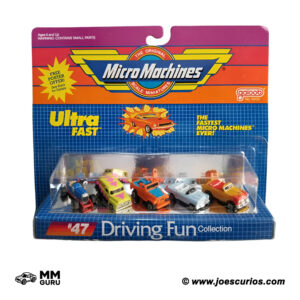
| Color | |
|---|---|
| Rarity | |
| Set Name | |
| Set Number | |
| Set Year |
1930 Era
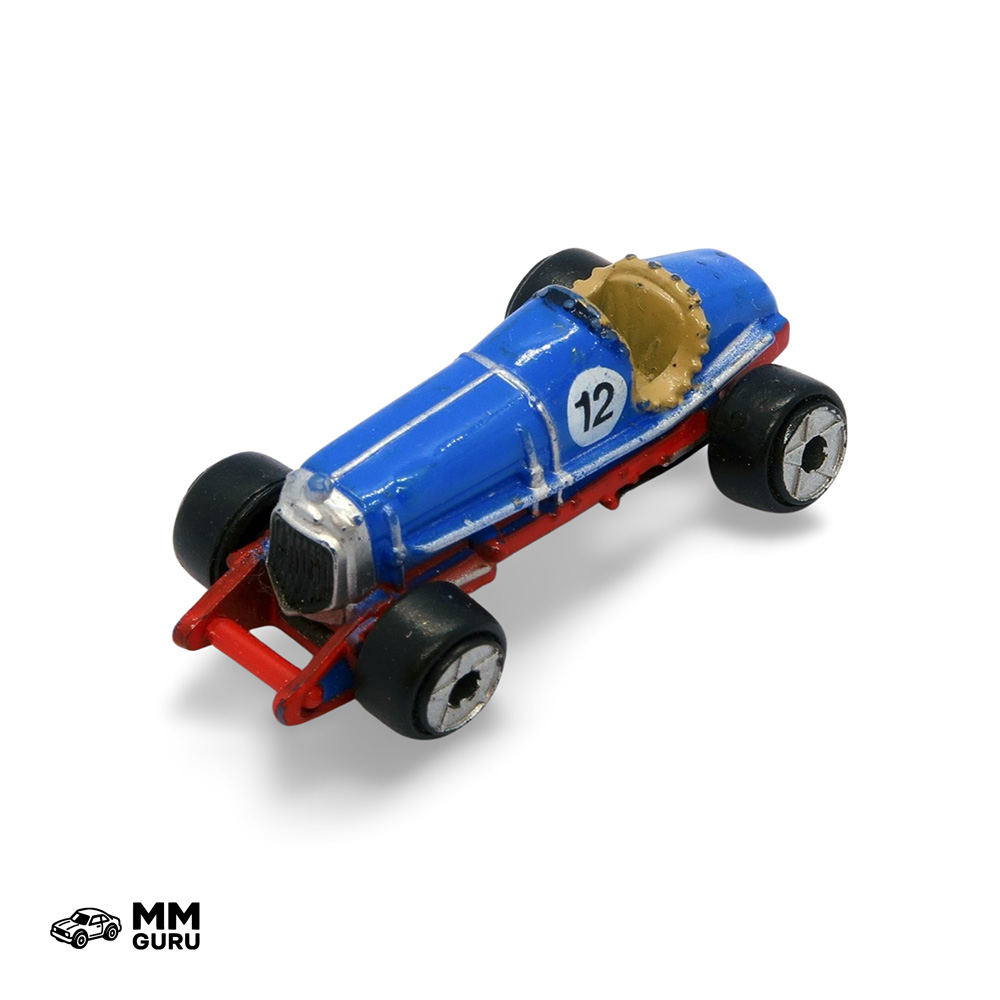
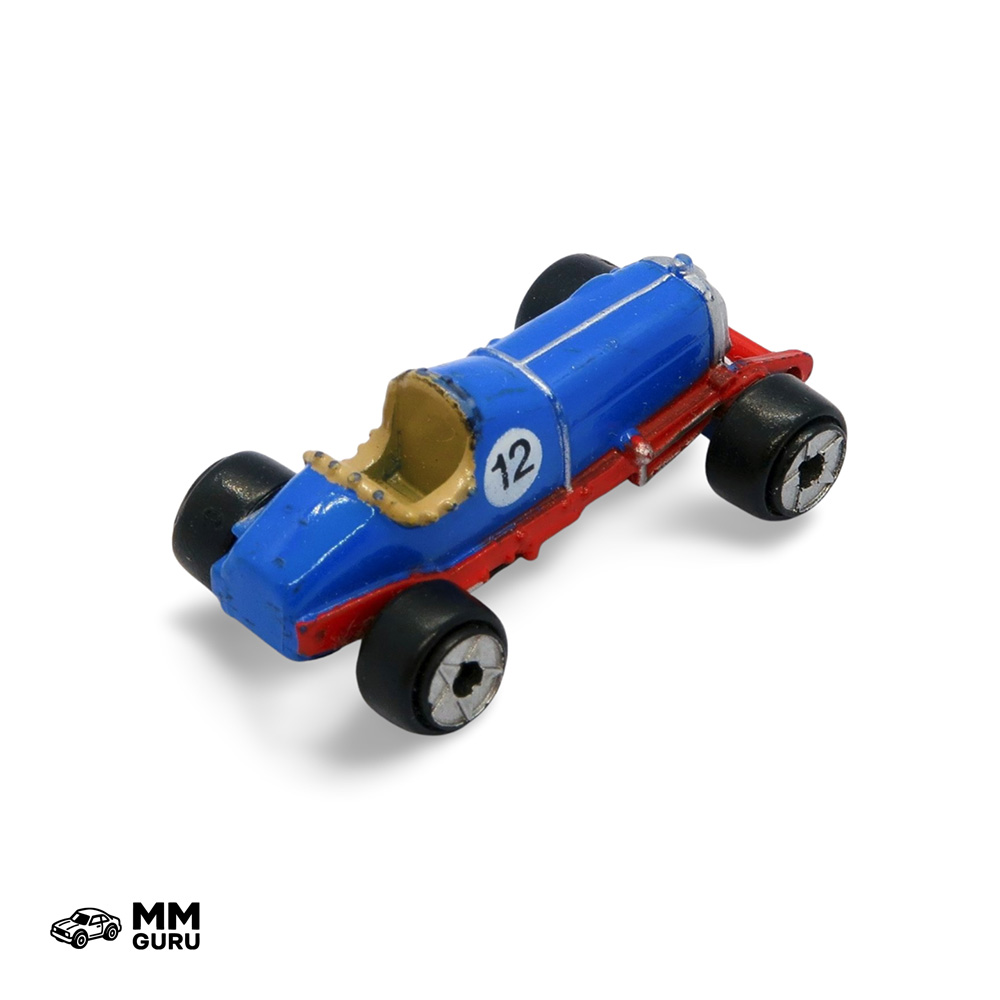
In the 1930s, the cars of the Indianapolis 500 were raw, mechanical beasts built for durability as much as speed. Most featured long, narrow bodies wrapped around massive front-mounted engines, often supercharged straight-eights that produced impressive power for the era. The chassis sat low but rigid, with solid axles, leaf springs, and minimal suspension travel, making the ride harsh and unforgiving over 500 miles. The cockpits were tight and exposed, with large steering wheels, simple gauges, and little more than a thin seat between the driver and the drivetrain. Fuel tanks were sizable, mounted to sustain long stints, and refueling systems were basic and risky. Tires were tall and narrow, designed more for endurance than grip, and braking systems relied on large mechanical drums that demanded strength and precision. Every detail of these machines reflected function over comfort. They were engineered to survive sustained high speeds on the long straights of the Indianapolis Motor Speedway, where reliability often mattered more than outright pace.